
Welcome to our microphone reviews hub, where you’ll find every microphone we’ve tested — from USB studio condensers and streaming microphones to budget starter kits and dynamic models with XLR/USB connectivity. Each card below links to a full review with microphone type, polar pattern, connectivity, monitoring and a verdict; the market overview sorts the range by intended use so you can jump straight to the category that fits your recording or streaming workflow. As you compare, keep in mind that a microphone captures sound, while an audio interface provides input/output connectivity and converts analog signals to digital — the two are different pieces of equipment.
As an Amazon Associate, I earn from qualifying purchases.
Latest Reviews
Elgato Wave:3 MK.2
A premium cardioid USB condenser that runs five DSP effects in the hardware for a polished, broadcast-style voice with minimal fuss — though it’s USB-only, capped at 48 kHz, and benefits from a boom arm.
FIFINE T669
A complete entry-level USB condenser kit whose included boom arm, shock mount and pop filter get you recording immediately — accepting no headphone monitoring, a single polar pattern and room-noise sensitivity.
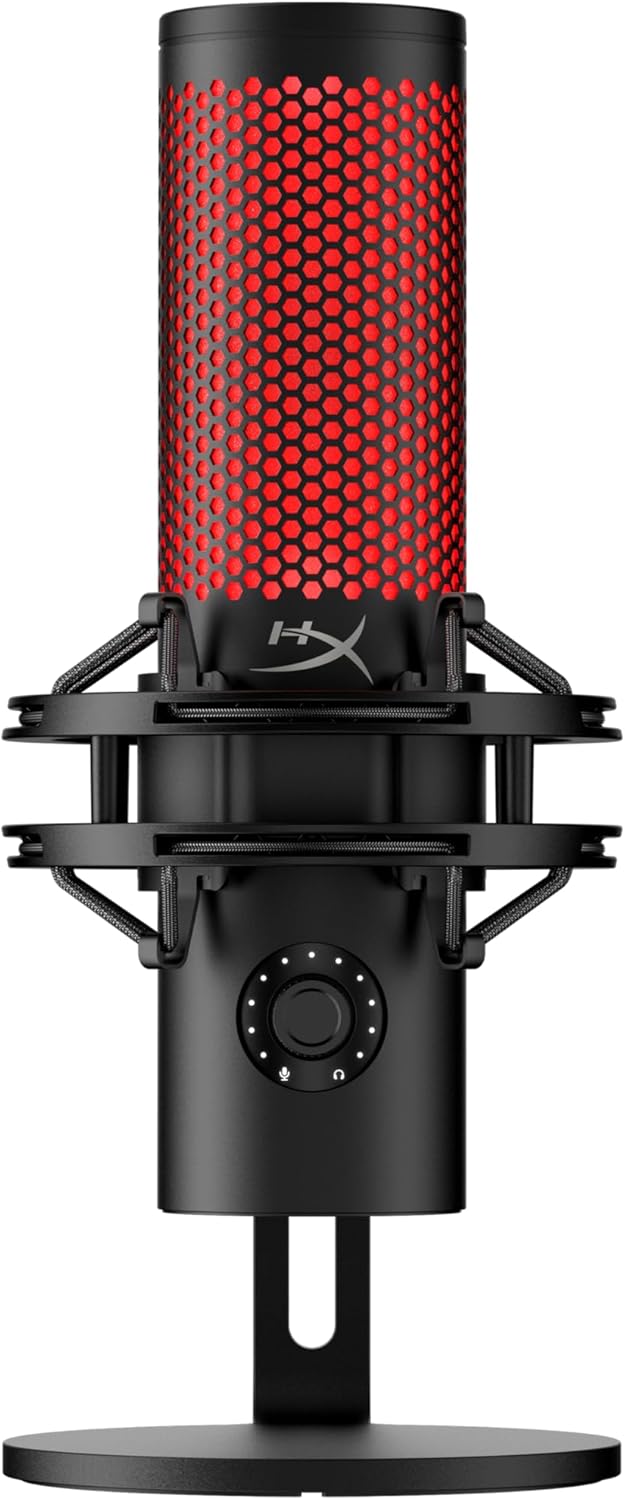
HyperX QuadCast 2
A versatile USB condenser for gamers and streamers with four switchable polar patterns, a 24-bit/96 kHz capture and on-mic controls — in the premium tier and with a condenser’s sensitivity to room noise.
MAONO PD200W
A dynamic cardioid hybrid that connects over 2.4 GHz wireless, USB-C and XLR in one aluminum body, with solid room-noise rejection — though XLR mode disables its internal DSP and the wireless range is rated, not guaranteed.
Rode X XDM-100
A premium dynamic USB microphone that pairs rich room-noise-rejecting sound with the bundled UNIFY virtual mixer and APHEX processing — USB-only with a single cardioid pattern, no stand included, and a software-first experience.
Samson Q2U
An entry-level dynamic USB/XLR hybrid with zero-latency headphone monitoring and a complete starter kit, giving you a genuine upgrade path to an interface — if you accept no onboard gain and the need for close-mic technique.
Shure MV7+
A premium dynamic USB-C/XLR hybrid whose USB mode adds Auto Level, a denoiser and a Digital Popper Stopper, with a customizable LED touch panel — but the DSP, mute and metering only work over USB, and it’s a plain analog dynamic over XLR.
The 2026 Microphone Market at a Glance
| Segment | Reviewed products | Best For | Reviewed? |
|---|---|---|---|
| USB Studio Microphones | Elgato Wave:3 MK.2 | Creators who want a USB condenser with clean capture, hardware DSP and direct computer connectivity for podcasting, content and general recording. | Review |
| Streaming Microphones | HyperX QuadCast 2, Rode X XDM-100 | Streamers and gamers who want a USB mic built around live workflows — multi-pattern flexibility and on-mic controls (QuadCast 2) or a bundled virtual mixer and voice processing (XDM-100). | Review · Review |
| Budget Microphones | FIFINE T669 | First-time podcasters, streamers and remote workers who want a complete USB setup out of the box and can record in a reasonably quiet room. | Review |
| Dynamic XLR/USB Microphones | MAONO PD200W, Samson Q2U, Shure MV7+ | Users who want a dynamic capsule’s room-noise rejection with both USB and XLR connectivity — a plug-and-play present and an interface/mixer future in one mic. | Review · Review · Review |
Note on classification: this table groups each microphone by its documented design, connectivity and intended use. The Elgato Wave:3 MK.2 is a USB studio condenser focused on clean capture and hardware processing. The HyperX QuadCast 2 and Rode X XDM-100 are streaming microphones — the QuadCast 2 is a multi-pattern USB condenser for gaming/live use, while the XDM-100 is a dynamic USB mic (USB-only, no XLR) built around its live mixing software. The FIFINE T669 is the entry-level starter kit. The MAONO PD200W, Samson Q2U and Shure MV7+ are dynamic XLR/USB hybrids — each confirmed to support both USB and XLR outputs. A microphone is not an audio interface: the hybrids need an interface or mixer for their XLR path, and none of the USB microphones here requires an external interface to work over USB.
Not Sure Which Microphone to Buy?
If you’re still deciding, our microphone buying guide is the primary resource for understanding microphone types, connectivity and recording requirements. For a focused comparison of USB models, our best USB microphones pillar organizes the same seven reviewed mics by use case. When choosing: USB studio microphones (like the Wave:3 MK.2) suit direct computer connectivity and recording control; streaming microphones (QuadCast 2, XDM-100) are built for live desktop workflows; entry-level microphones (FIFINE T669) reward prioritizing documented features and practical limitations; and dynamic XLR/USB hybrids (PD200W, Q2U, MV7+) pair a dynamic capsule with connection flexibility. For the XLR path on a hybrid, you’ll generally need compatible input hardware such as an audio interface or mixer — over USB, none of these requires an external interface. The seven full reviews above provide detailed product-level findings and limitations.
Shop Now

Elgato Wave:3 MK.2
Shop Now on Amazon

FIFINE T669
Shop Now on Amazon
HyperX QuadCast 2
Shop Now on Amazon

MAONO PD200W
Shop Now on Amazon

Rode X XDM-100
Shop Now on Amazon


As an Amazon Associate we earn from qualifying purchases.